

Plasma technology
for surface treatment
Infinite materials for enhanced performance
and a sustainable future

Supercharge your surfaces
with plasma technology
Supercharge your surfaces with Plasma Technology: A cutting-edge technology enables a clean, high-precision process that enhances performance, minimizes chemical use, and supports more sustainable manufacturing. Plasma chemistry is “dry and green” due to less water consumption and C02 emissions reduction.
PLASMA SURFACE INDUSTRIAL APPLICATIONS
Plasma technology delivers advanced surface solutions across multiple industrial sectors, enabling tailored treatments for a wide range of materials and applications.

Optical & Eyewear Industry

Aeronautics

Electronics & Optoelectronics

Rubber

Biomedical & Healthcare Devices
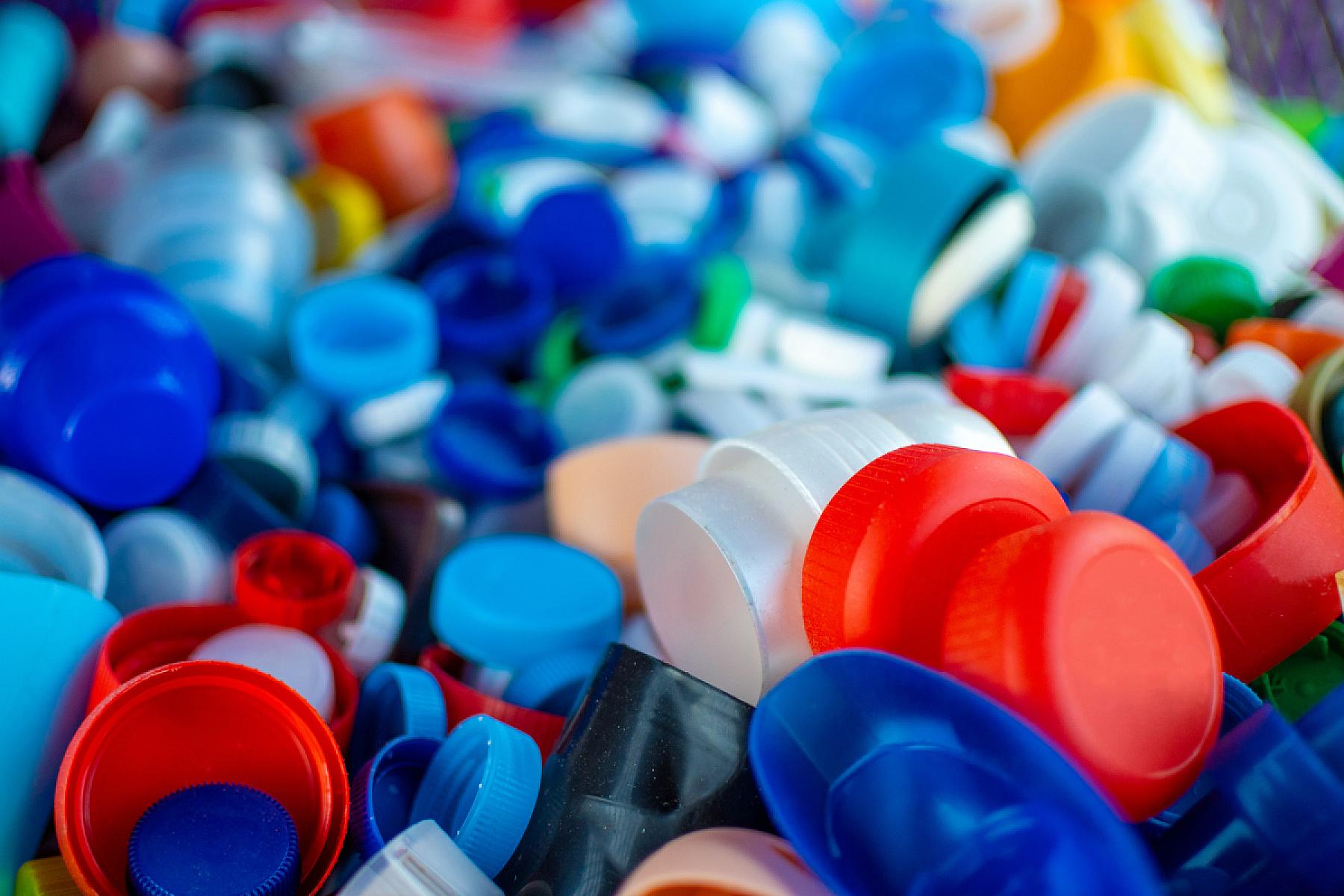
Plastics
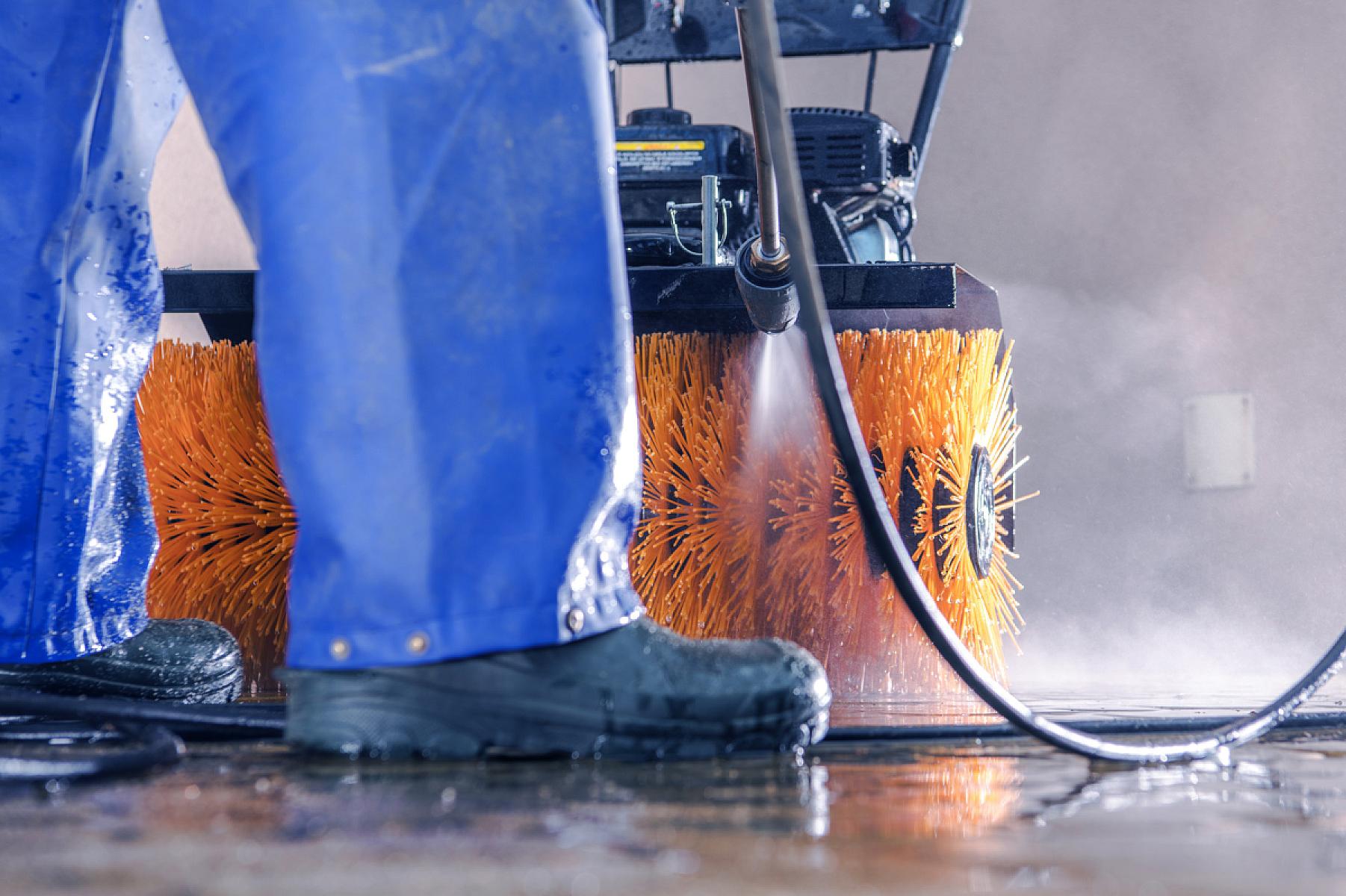
Industrial Washing

Automotive & Mobility

Automotive

Nautical

Automotive & Motorsport

Naval

Biomedical and Life Science

Medical & Healthcare
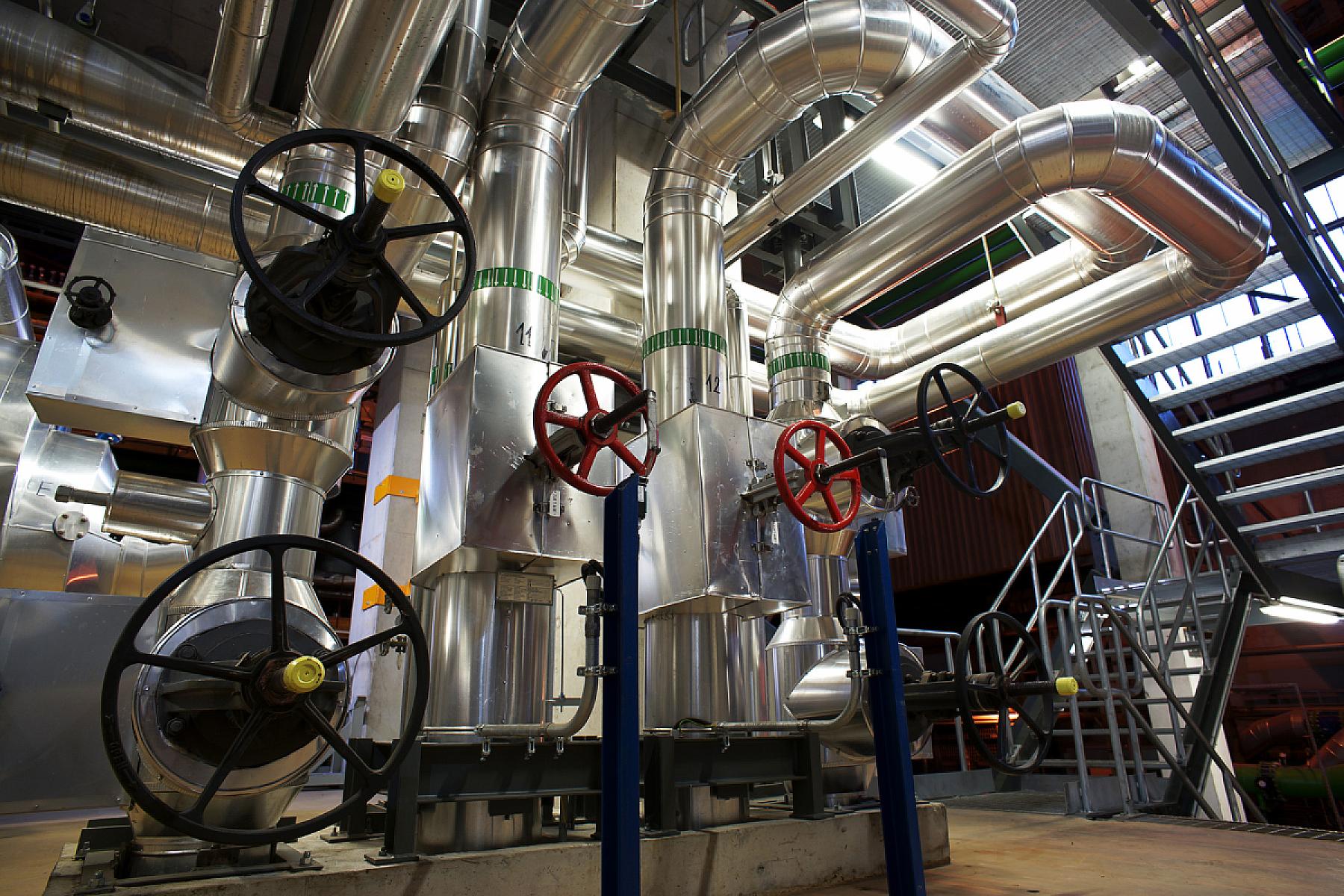
Valves

Aerospace & Defense
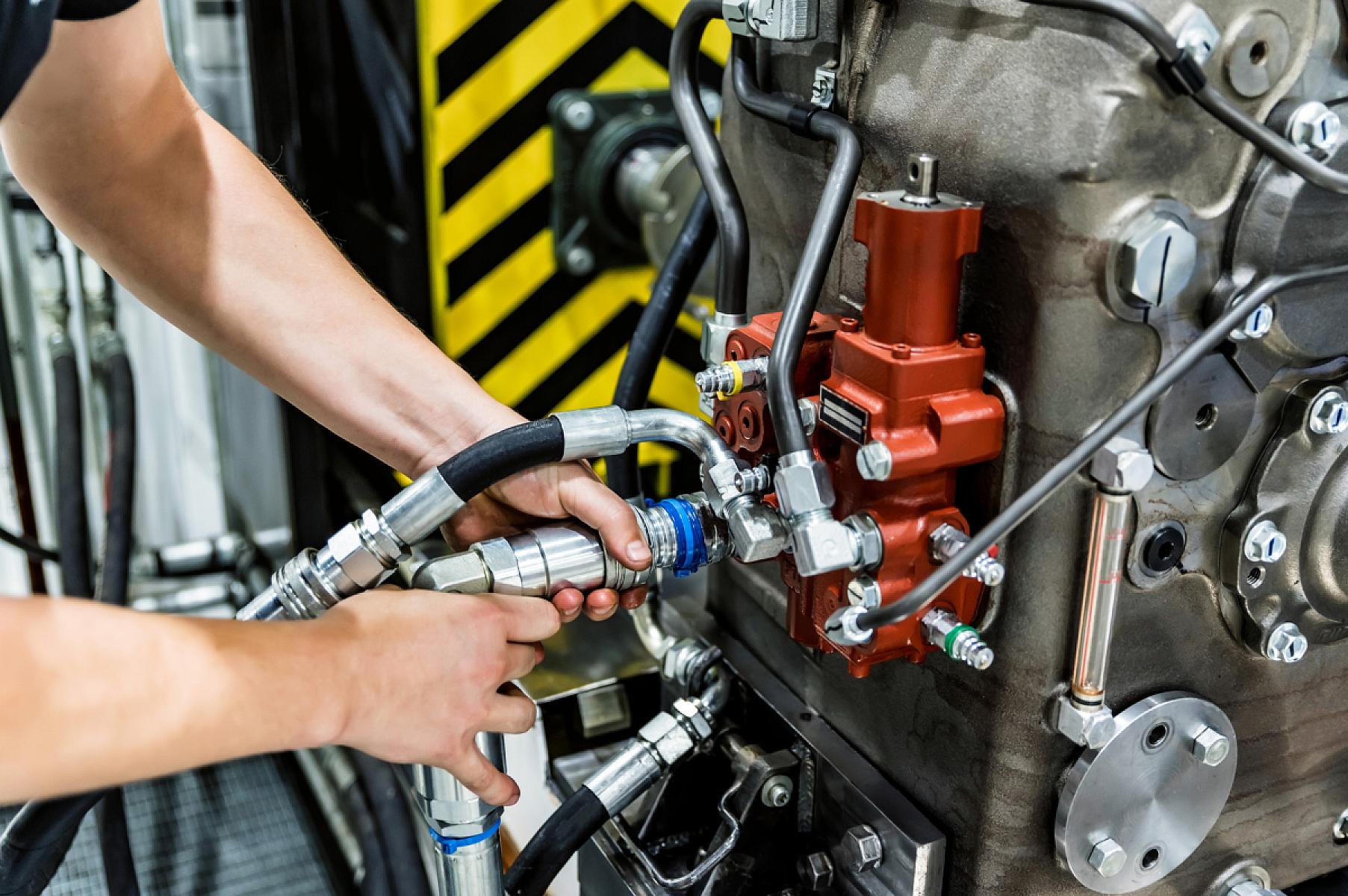
Industrial Process & Fluid Handling
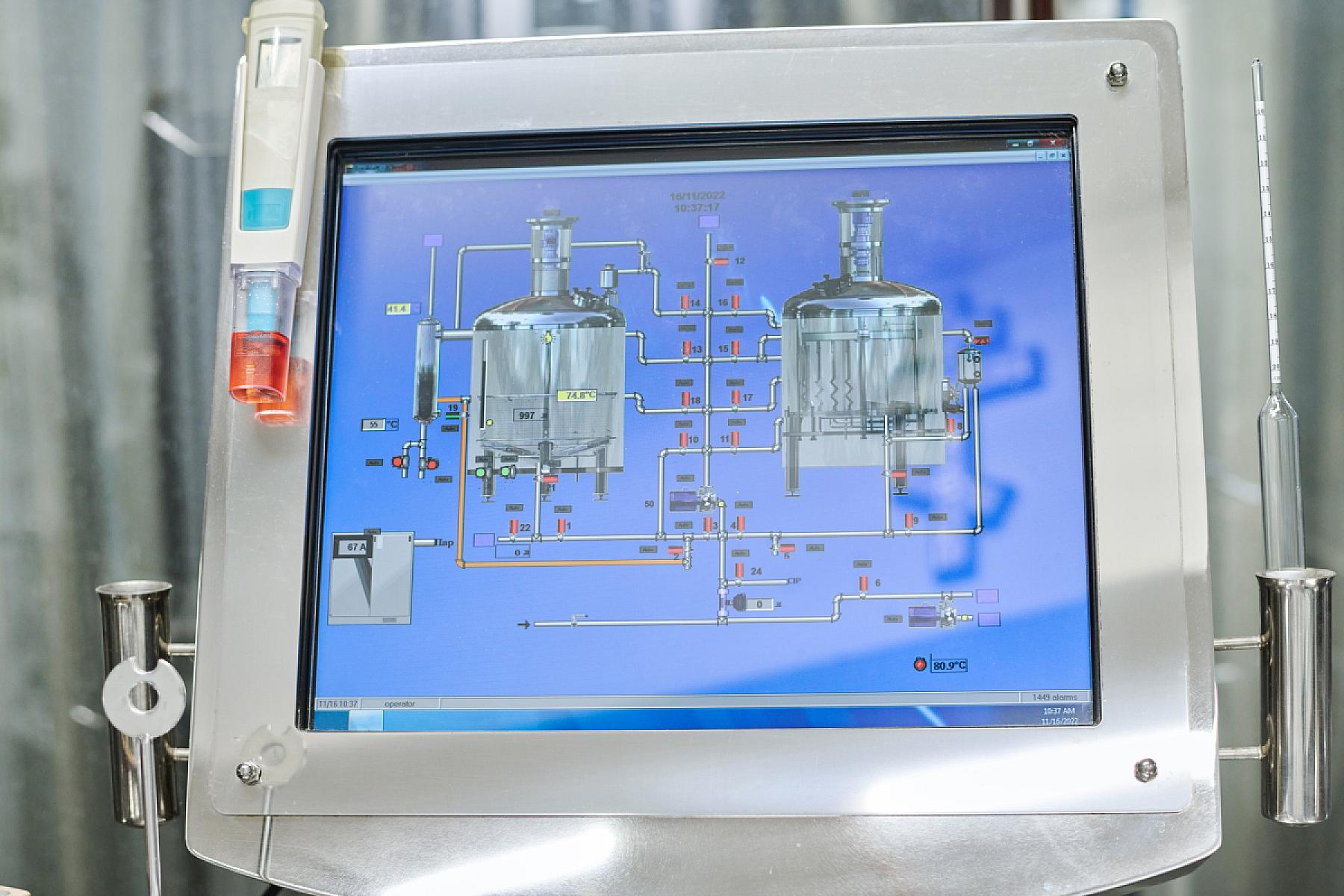
Fluid Management Systems

Textiles & Luxury Goods
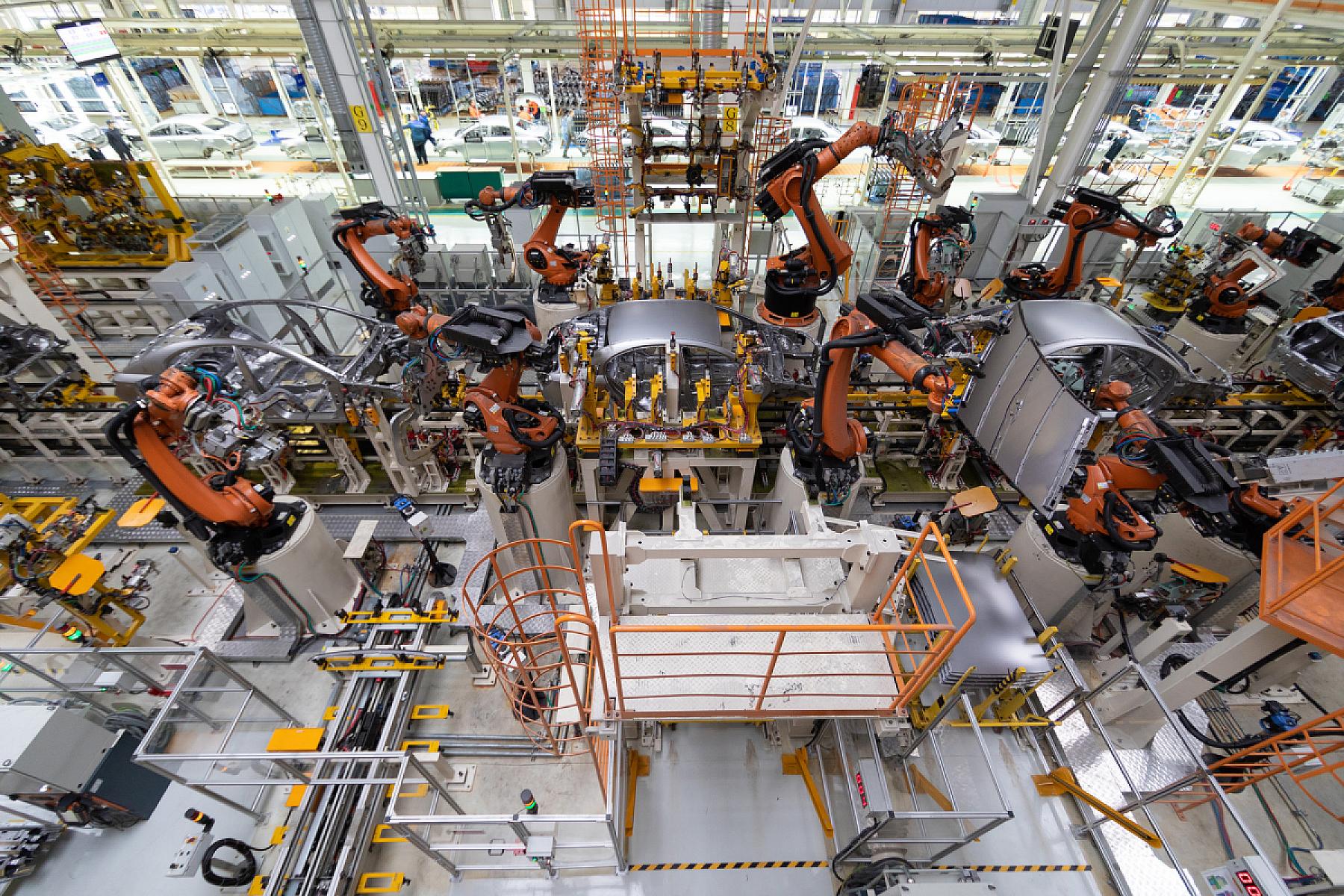
Industrial Tools & Manufacturing
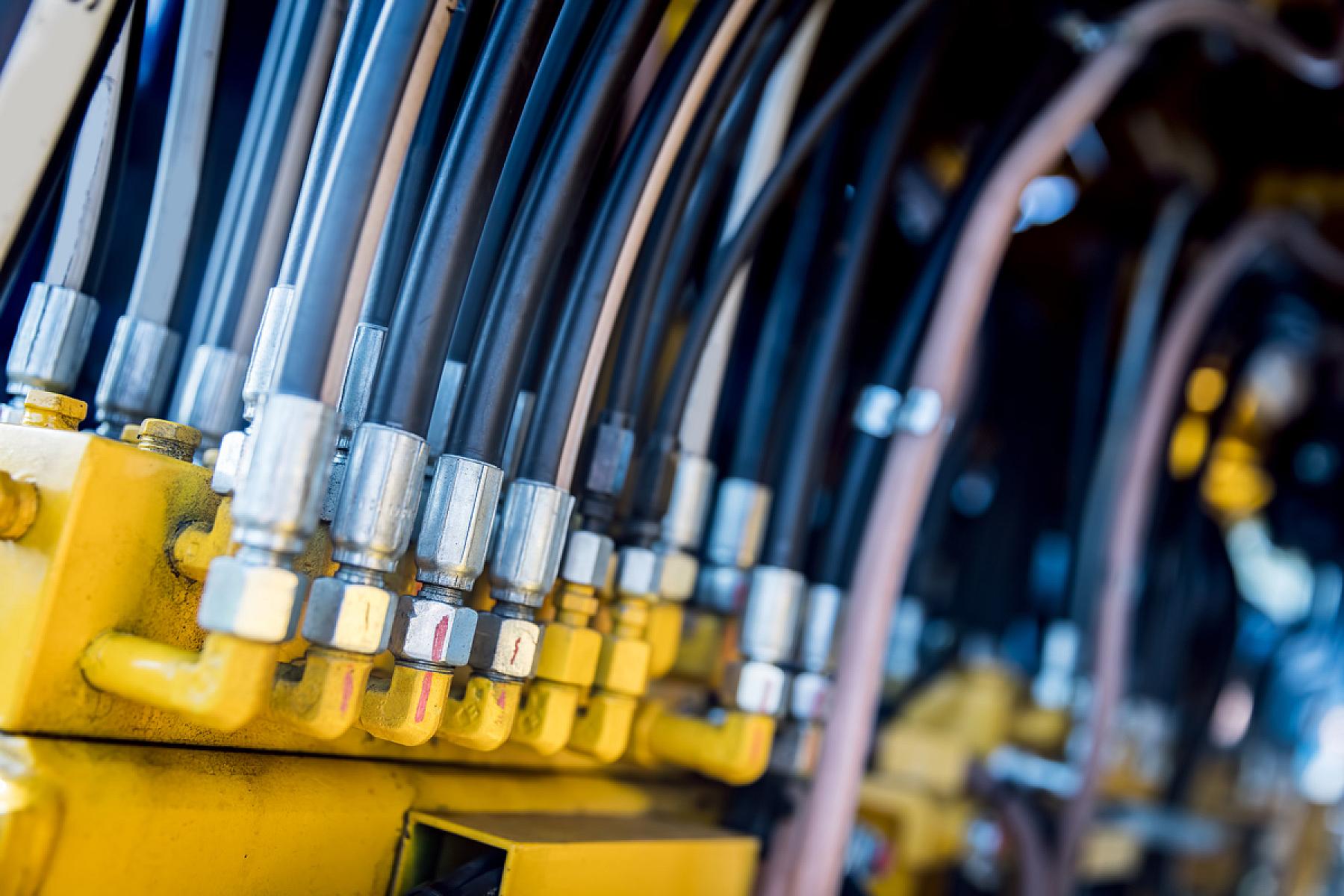
Hydraulics
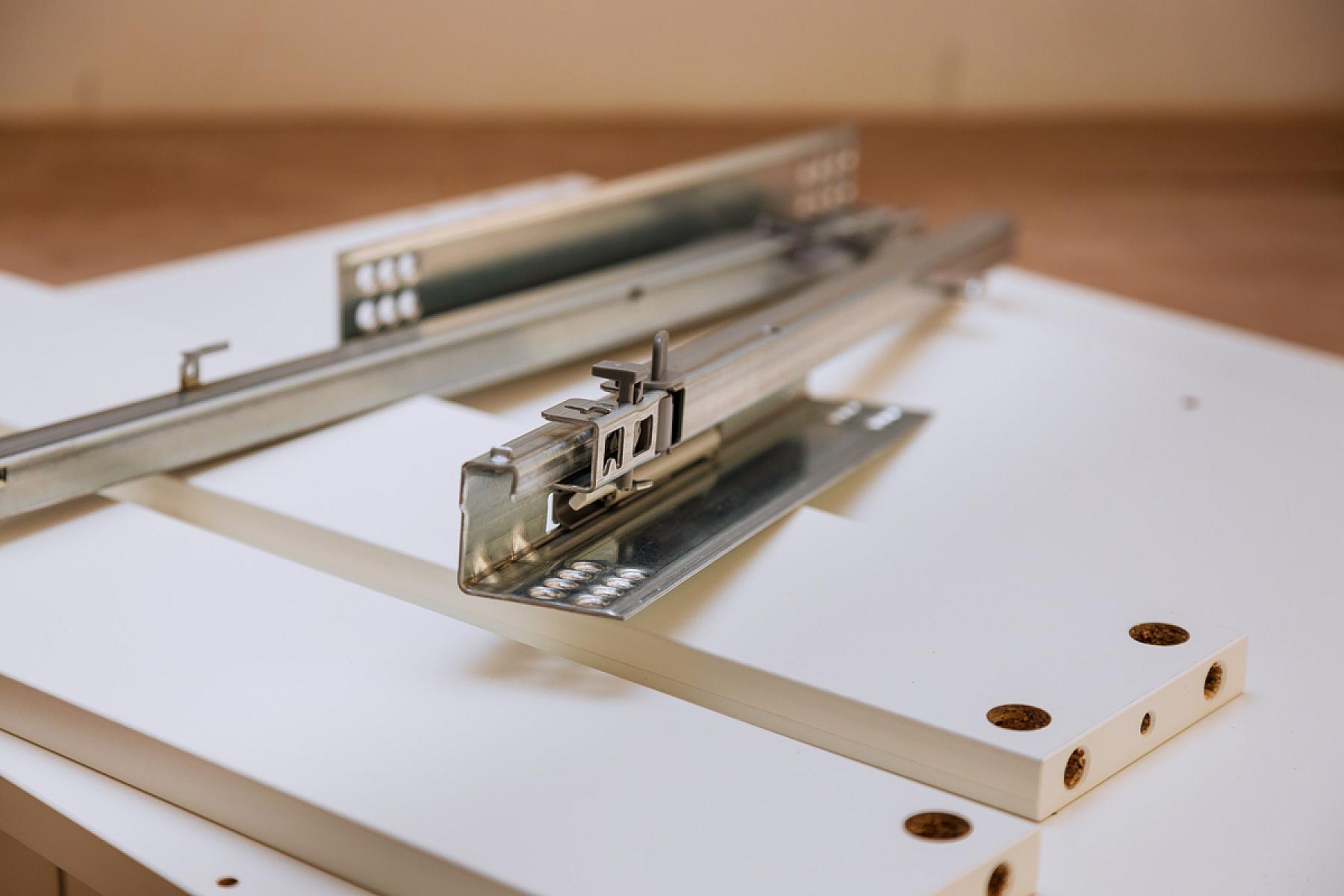
Closing systems (Furniture and Automotive)

Pharmaceutical & Biotech Equipment
Imaging, Optics & Photonics

Sports & Outdoor Equipment

Medical Devices & Implants

Aerospace & Space Systems
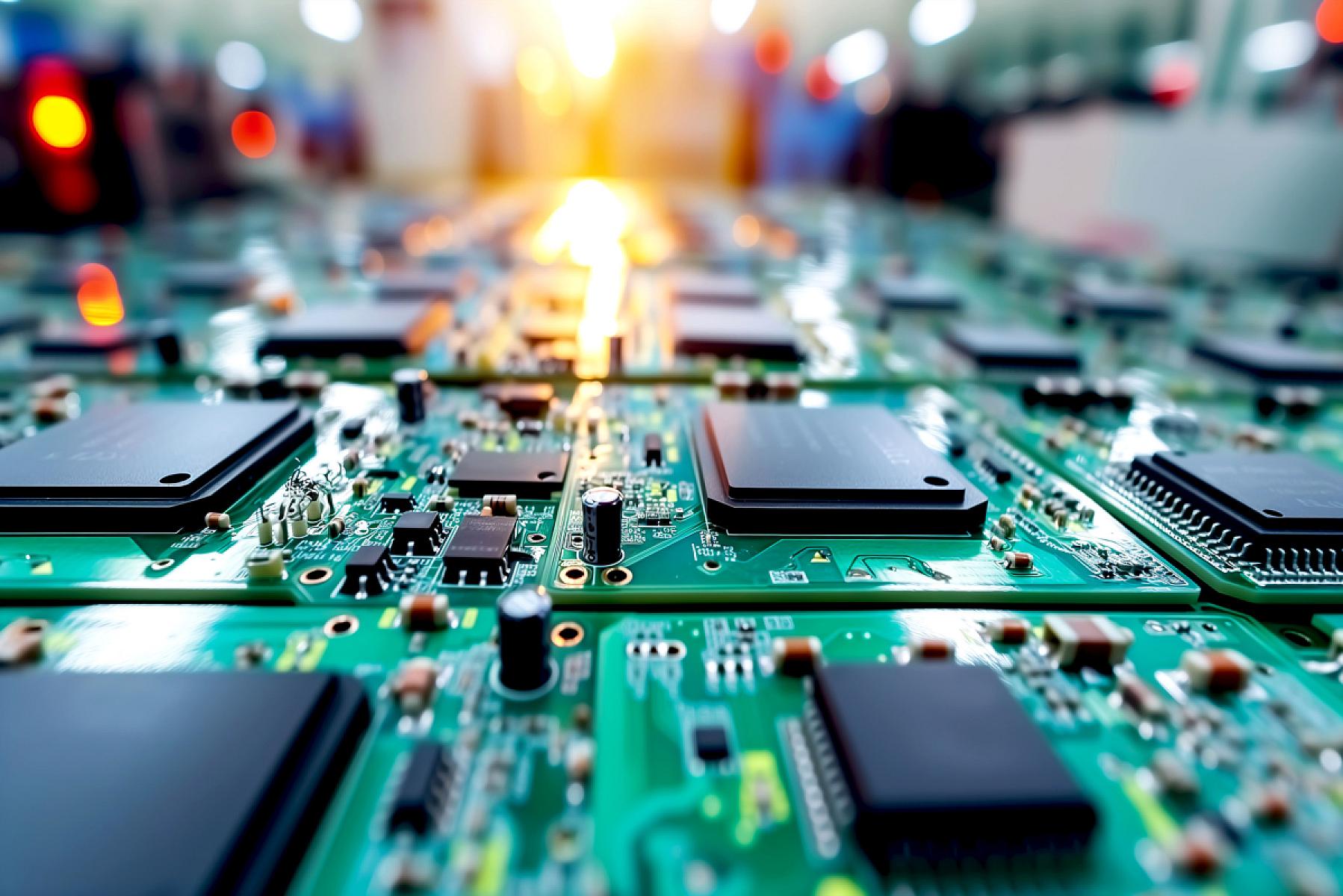
Electronics & Consumer Devices
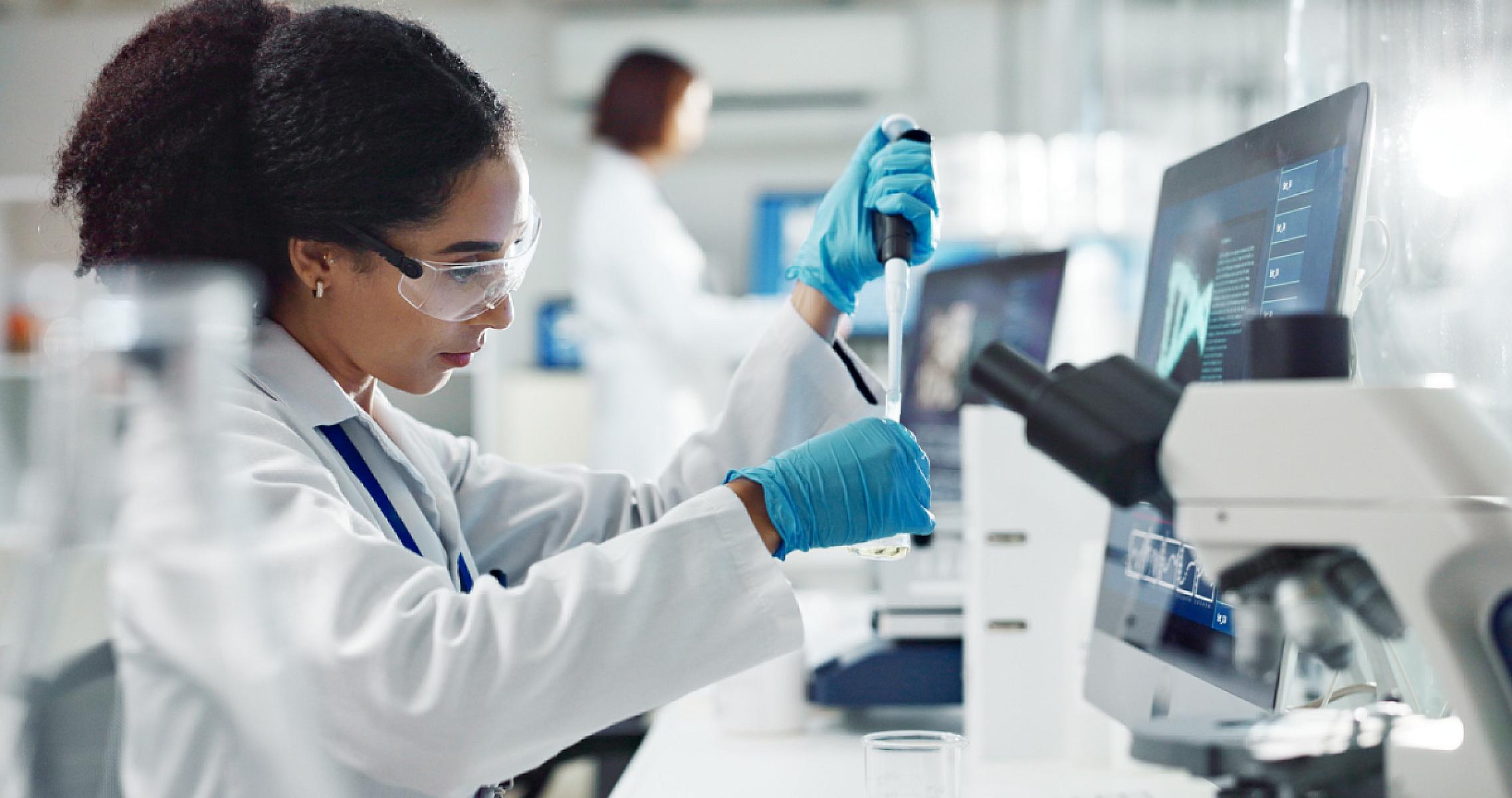
Biomedical

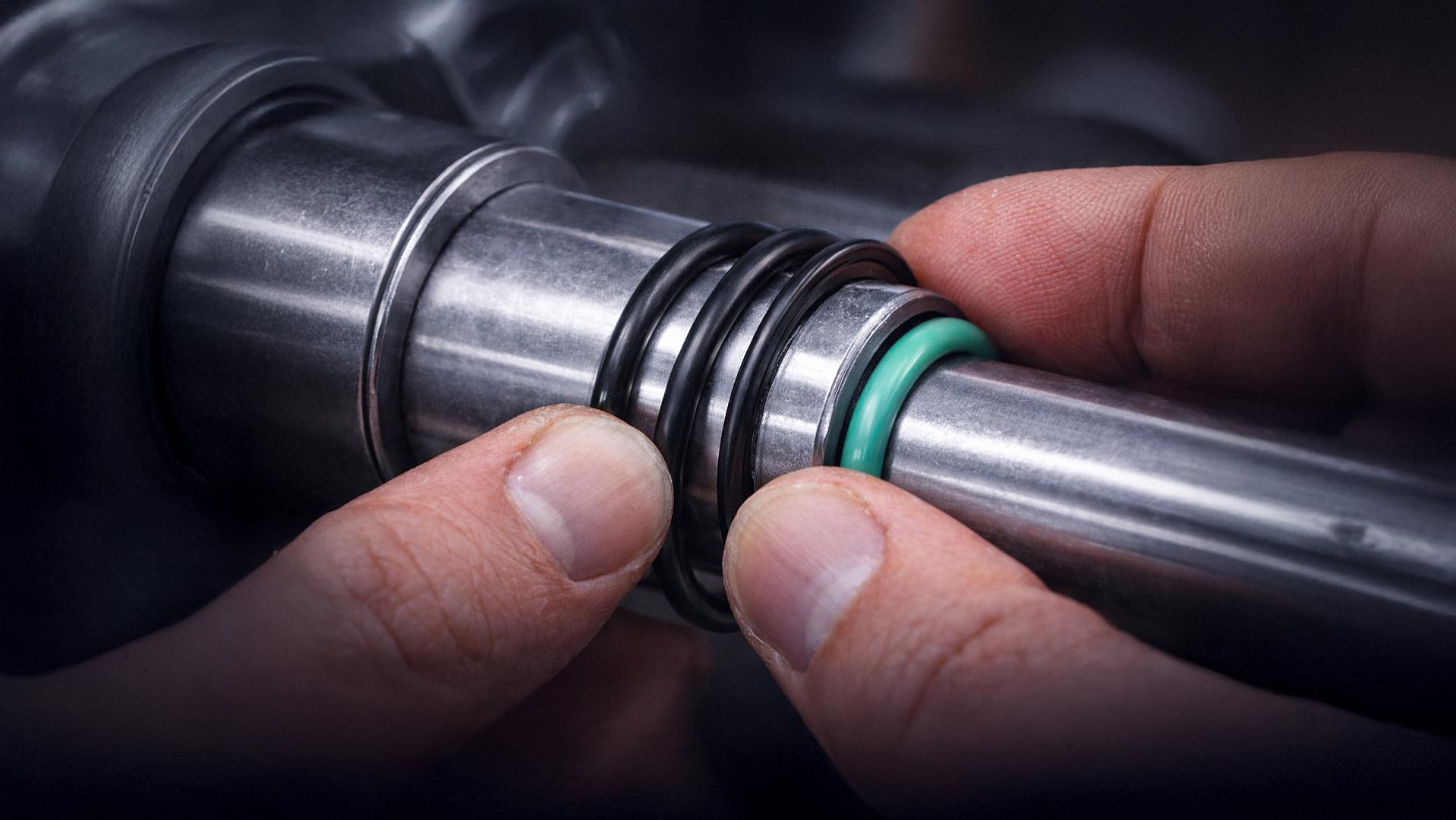
O-rings

Gaskets

Wearable & Biomedical Sensors

Aerospace
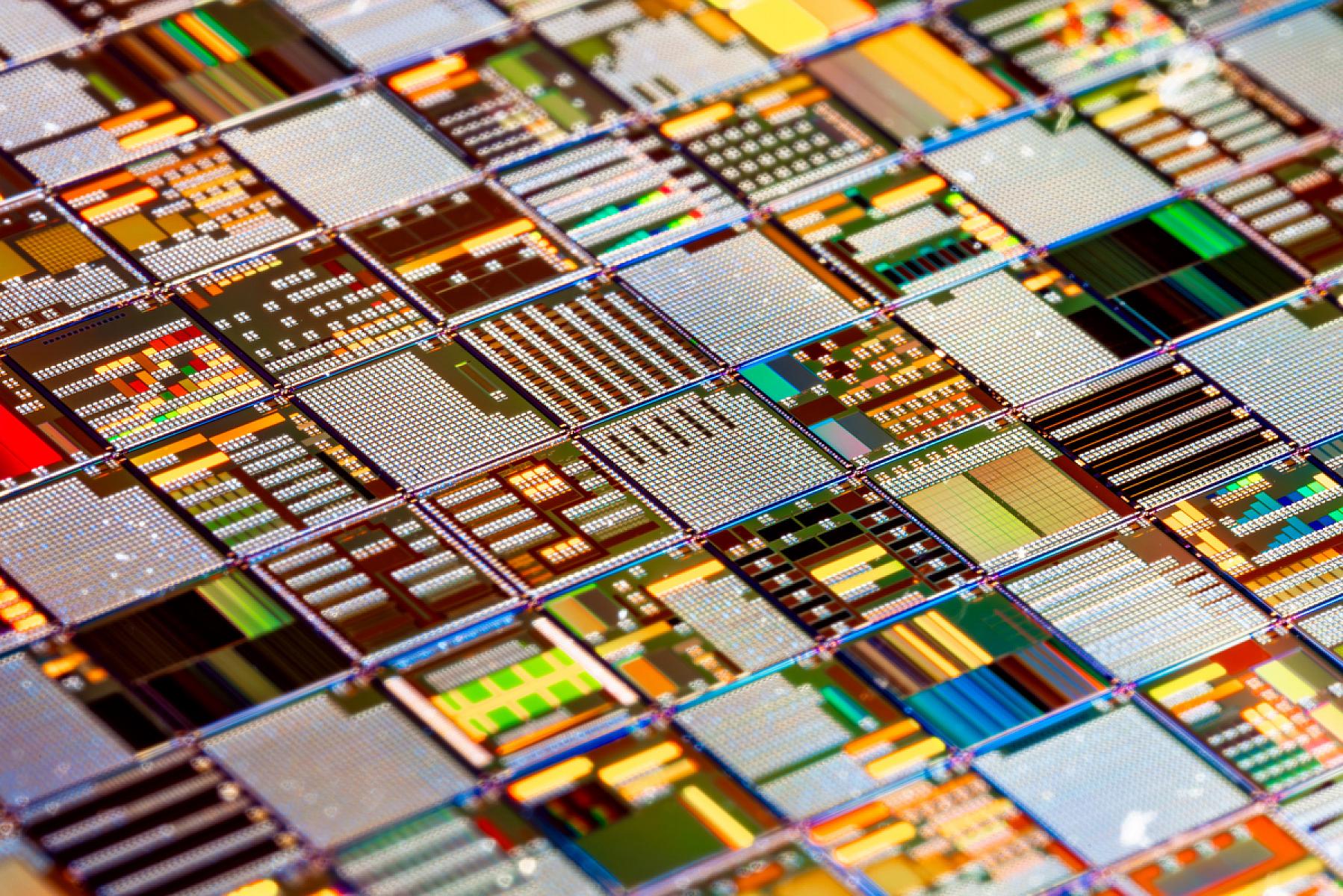
Electronics & Semiconductors
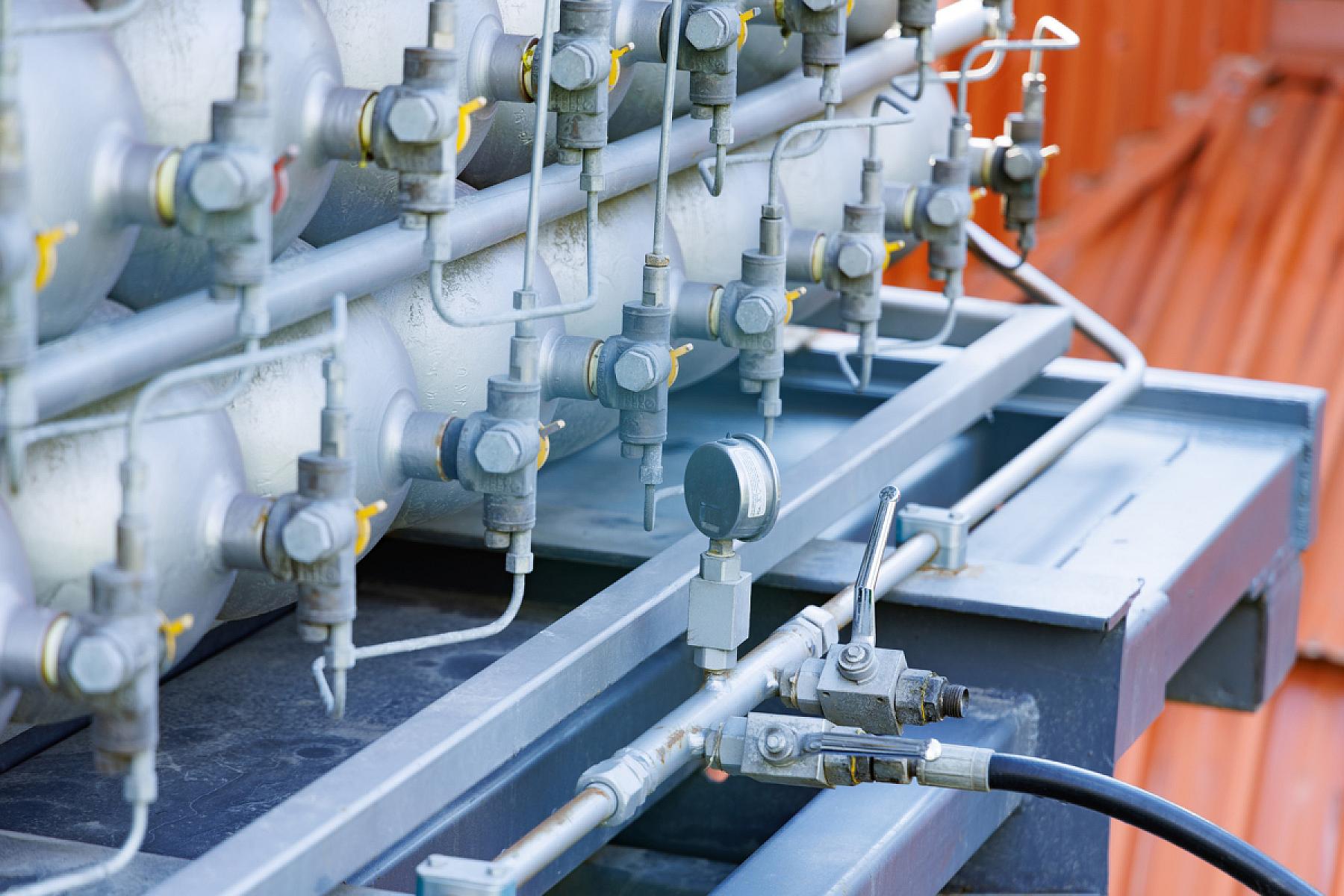
Dosing systems

Automotive & Transportation
The fourth state
of matter
Innovative Materials
from a Clean Chemistry
Plasma technology is a key enabling tool for modern industry, offering precise, efficient, and sustainable solutions for surface engineering and manufacturing processes. Known as the fourth state of matter, plasma complements the more known solid, liquid, and gas states and represents most of the visible matter in the universe.
When generated and controlled artificially, plasma becomes a powerful resource for surface modification, improving the performance of processes such as bonding, painting, printing, and coating. Its versatility makes it widely used across industries including automotive, e-mobility, electronics, packaging, consumer goods, life sciences, textiles, and new energy systems.
What's the
superpower you
need?
Plasma technology is based on the physical principle that by supplying energy to matter, changes in its state happen so that solids becomes liquid, and liquids becomes gaseous. If energy is supplied to a gas, it is ionized and generates the PLASMA , called the fourth state of matter.
This is an ionized gas rich of reactive species such as radicals, ions and electrons able to modify the surface properties of the materials exposed to it. It becomes possible to finely tune the surface properties of the materials through the fine adjustment of the experimental parameters, resulting in a customized “surface tailoring “ of materials, without affecting their bulk properties.











Infinite changes
on top
Plasma technology enabling infinite materials for enhanced performance and a sustainable future. As requirements evolve, it supports more precise, efficient, and sustainable solutions. It unlocks new ways to design, modify, and optimize materials, supporting industries as they face increasingly complex challenges
Discover our plasma-based solutions for advanced surface treatment, designed to solve specific industrial challenges with precision and efficiency.


Our commitment
with the planet
ENVIROMENT-FRIENDLY PLASMA TECHNOLOGY ADVANTAGES
Sustainability is at the core of our approach. Plasma technology offers an environmentally responsible alternative to conventional chemical processes, enabling surface treatments with minimal or no solvents and a significant reduction in chemical use.
By improving process efficiency and reducing waste, plasma solutions help lower environmental impact while maintaining high performance standards. This makes it a key enabling technology for industries aiming to combine innovation with a more sustainable future. Plasma technology is part of our vision for a cleaner future, driven by respect for the planet and a commitment to protecting the world we share

Zero CO2
Emissions

Small amount
of reagents

no clorine, formaldehyde and toxic products

no water
consumption