Friction is not a detail, it's a challenge
Plasma tech for
Friction
Friction is not a detail, it's a challenge. From automotive to mechanical industry, from seals to wearable tech, getting the right grip is key to performance, durability, comfort and energy efficiency.
Too much friction? You get wear, heat, and wasted energy.
Too little? Things slip, leak, or fail.
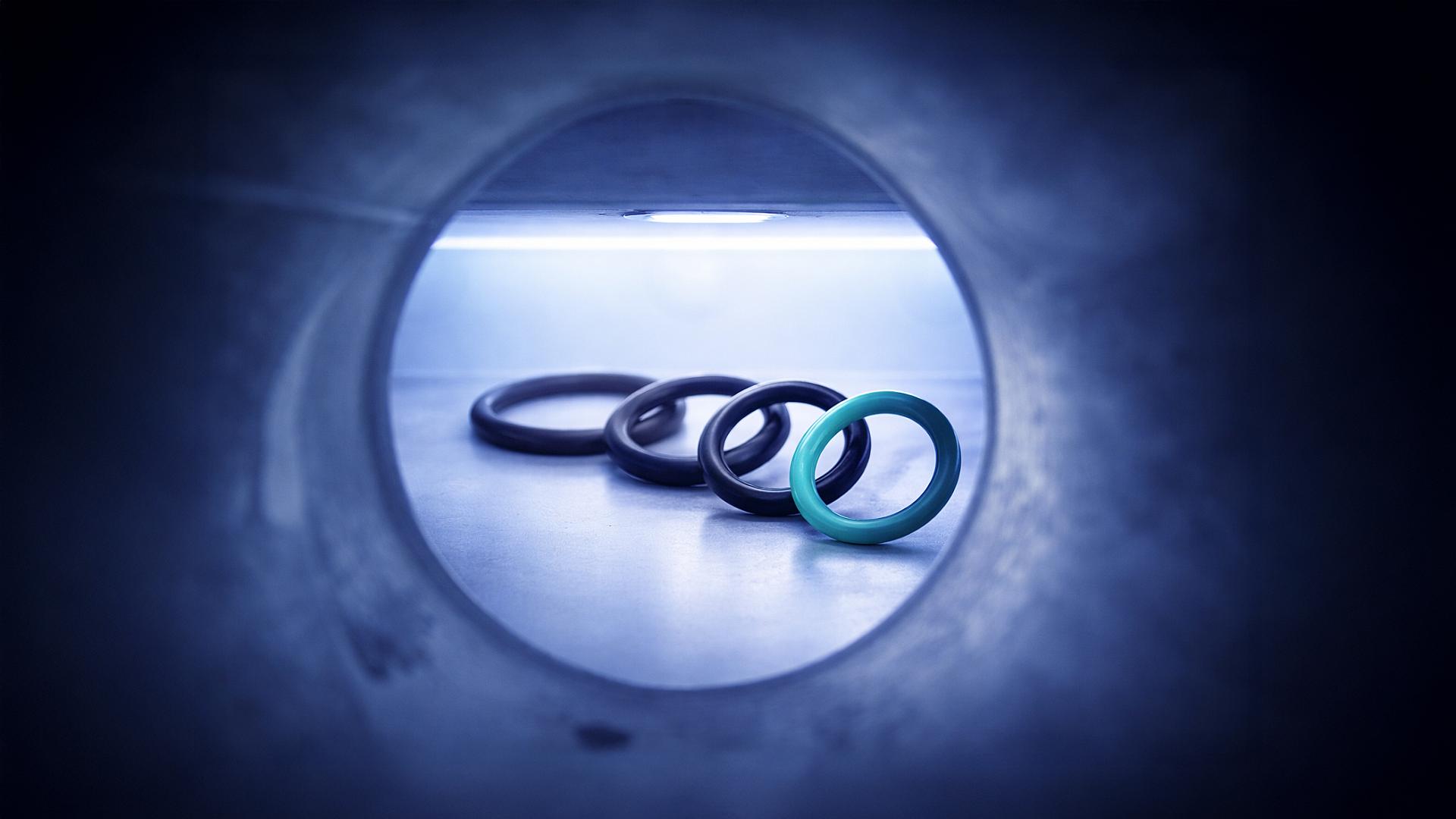
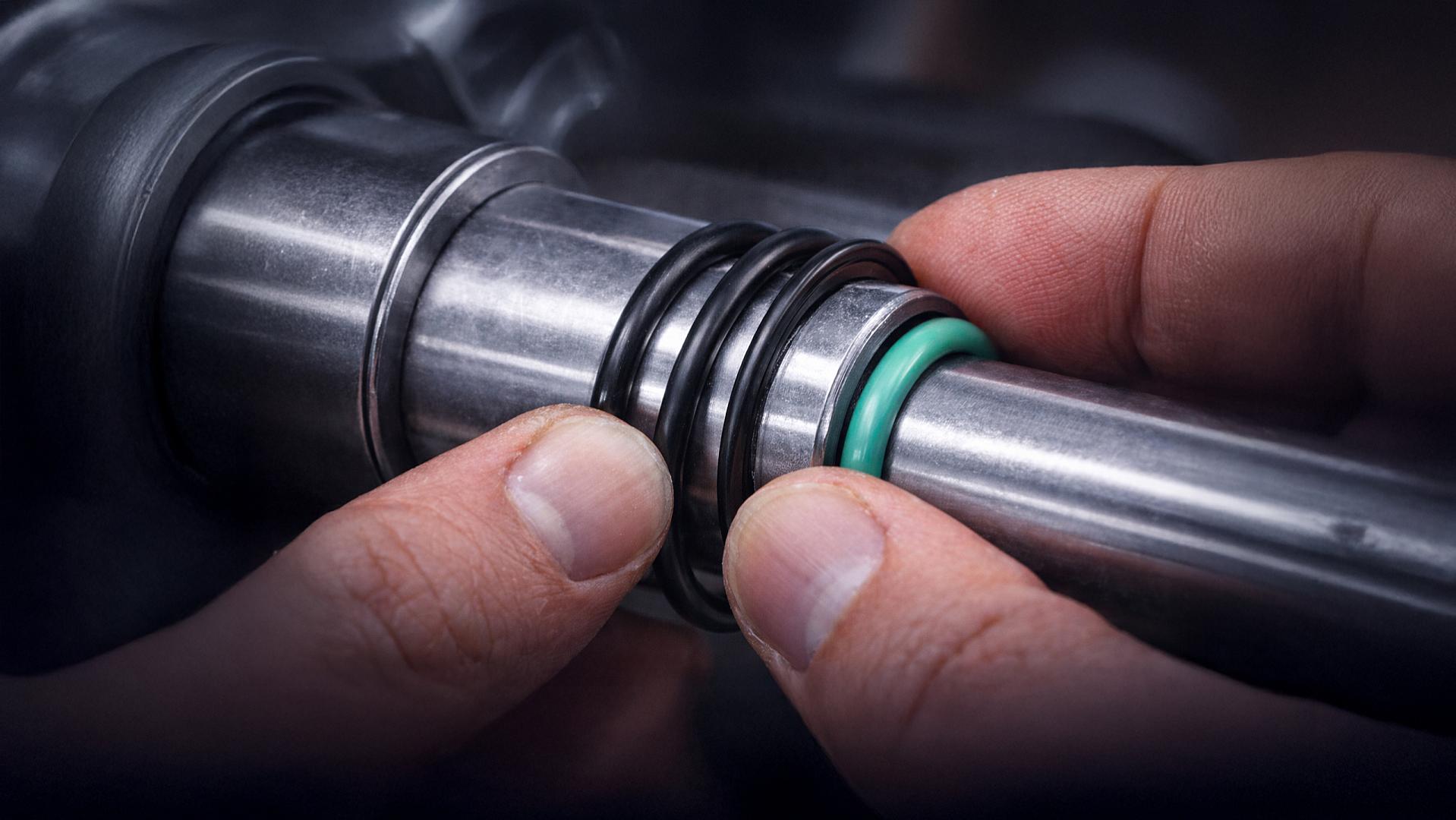
Plasmapps focuses on smart materials, surface control by means of innovative cold plasma processes to keep friction working for you, not against you. Through advanced plasma surface treatments, Plasmapps tune the friction coefficient, reduces wear, optimizes grip, and extends the life performance of rubber and polymer components.
PLASMA SURFACE TREATMENT SOLUTIONS

Technical Benefits
Reduced coefficient of friction
Decreases surface friction between moving parts, reducing wear and improving mechanical efficiency.
Lower wear and extended component lifetime
Excellent uniformity and adhesion
Applicable on multiple substrates (metals, polymers, elastomers)
With proper surface activation or adhesion-promoting plasma pretreatments, these solutions can be effectively applied even on non-conductive materials such as plastics and rubber.

Functional Benefits
Reduced energy loss due to friction
Improves the overall energy efficiency of mechanical or sliding systems.
Enhanced tribological performance
Smoother surfaces, minimizing stick-slip effects.
Easy-to-clean and non-stick properties
Especially valuable in components operating in dirty or fluid-rich environments (e.g., food processing, medical, or packaging applications).

Economical & Environmental Benefits
Longer service life
Reduced maintenance and replacement costs.
Reduced or eliminated need for lubricants
Leading to cleaner, more sustainable operation.
Eco-friendly process
Low-pressure plasma coating produces no solvents or liquid waste.
Improved product reliability and quality
Adding value for certification or marketing purposes.

Interested in FRICTION solutions?
Plasmapps offers advanced plasma processes to protect metal and alloy surfaces in the process of surface finishing of materials, with many benefits due to its high eco-sustainability.